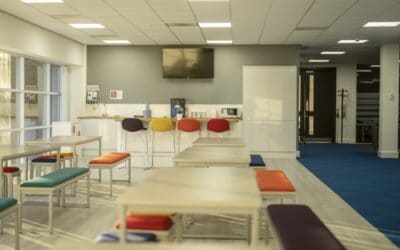
In recent years, the way we work has transformed. Businesses of all sizes are embracing flexible workspaces as a smarter alternative to traditional offices, and for good reason. Efficiency is no longer measured solely by hours spent at a desk, but by the ability to adapt quickly, collaborate effectively, and get the most from both people and resources.
Flexible workspaces offer an environment designed to maximise productivity while minimising waste – of time, money, and energy. In this article, we’ll explore why efficiency matters more than ever, how flexible spaces enable it, and why making the switch could be one of the best decisions for your business.
Why Efficiency Matters in Today’s Workplace
Efficiency has always been a driving force for business success, but the demands of the modern world have shifted the way we achieve it. Rising operational costs, fast-moving markets, and an increasingly remote workforce mean organisations must be more agile.
Traditional office setups often result in wasted space, rigid contracts, and underused facilities. Flexible workspaces, on the other hand, are designed to scale with your needs, offering a blend of cost-effectiveness and productivity that’s difficult to achieve elsewhere. In short, efficiency today is about flexibility the ability to adapt and optimise without compromise.
The Advantages of Flexible Workspaces
Space Optimisation
One of the most obvious benefits is the smarter use of space. With flexible office solutions, you only pay for what you need. Whether that’s a private office for a growing team, a hot desk for hybrid workers, or a meeting room for client presentations, the model eliminates wasted square footage. This ensures that every penny of your office budget is tied directly to productivity.
Enhanced Collaboration
Collaboration is often the key to innovation, yet many traditional office layouts don’t encourage it. Flexible workspaces are intentionally designed to foster teamwork. Breakout zones, shared lounges and well equipped meeting rooms make it easy for employees to share ideas, problem-solve, and work creatively.
Improved Employee Wellbeing
A comfortable, thoughtfully designed workspace can dramatically improve employee satisfaction. Flexible workspaces typically prioritise natural light, ergonomic furniture, and modern amenities. These small details contribute to reduced stress, higher morale, and ultimately, greater efficiency.
Scalability and Agility
Businesses evolve, and so do their requirements. Flexible office solutions allow you to scale up or down with ease, without the hassle of long-term leases or extensive overheads. This agility ensures that efficiency isn’t lost in transitions or growth phases.
Access to Technology and Services
High-speed internet, state of the art meeting rooms, and on demand support services are standard in quality flexible workspaces. By outsourcing these essentials, businesses save time and energy that can instead be directed toward achieving their core objectives.
The Link Between Flexibility and Productivity
Productivity isn’t simply about doing more; it’s about doing more of what matters. Flexible workspaces enable teams to focus on results rather than rigid schedules or outdated office setups. Employees have the freedom to choose the environment that best supports their tasks whether that’s a quiet corner for deep work, a collaborative hub for brainstorming, or a professional meeting room for client pitches.
This flexibility is particularly valuable in hybrid working models. Employees split their time between remote and in-office work, and flexible workspaces provide a professional hub that complements home working. This balance leads to higher engagement and efficiency, while reducing burnout associated with rigid office routines.
Financial Efficiency: More Than Just Saving Money
Efficiency isn’t only about productivity, it’s also about smart financial management. With flexible workspaces, businesses avoid the hidden costs of traditional offices, such as maintenance, utilities, and long-term lease commitments. Instead, they benefit from transparent, predictable pricing that bundles essential services into one manageable cost.
For start-ups, this means conserving precious capital. For established firms, it means reallocating funds to growth opportunities rather than office upkeep. In either case, financial efficiency strengthens the foundation for long-term success.
Choosing the Right Flexible Workspace
Not all flexible workspaces are created equal. To ensure you’re truly gaining efficiency, look for:
- Location: Accessibility for staff and clients is crucial.
- Facilities: High-quality meeting rooms, reliable technology, and comfortable communal areas.
- Scalability: The ability to expand or reduce space easily.
- Community: A strong network of like-minded professionals to encourage collaboration and growth.
By choosing the right provider, you ensure your workspace actively supports your efficiency goals rather than holding you back.
The Future of Efficient Work
The future of work is undoubtedly flexible. As businesses continue to navigate economic challenges and evolving workforce demands, efficiency will be the deciding factor in long-term sustainability. Flexible workspaces represent not just a solution, but a strategic advantage providing the tools, environment and agility.
Ready to Boost Your Efficiency?
If you’re looking to make your team more productive, your costs more manageable, and your operations more agile, now is the time to consider a flexible workspace.
AtLighthouse View Workspace , we provide tailored office solutions that adapt to your needs, with everything from hot desks to private offices and fully equipped meeting rooms.
Book a tour today and discover how our flexible workspaces can transform your efficiency.